
Ecological
Programs
Somatic
Cultural

OUR CORE PROGRAMS:
Together, our these 3 elements form a cohesive, impact-driven model that reconnects people to place, community, and shared systems of agency in an era defined by the negative impacts of dislocation and globalization.


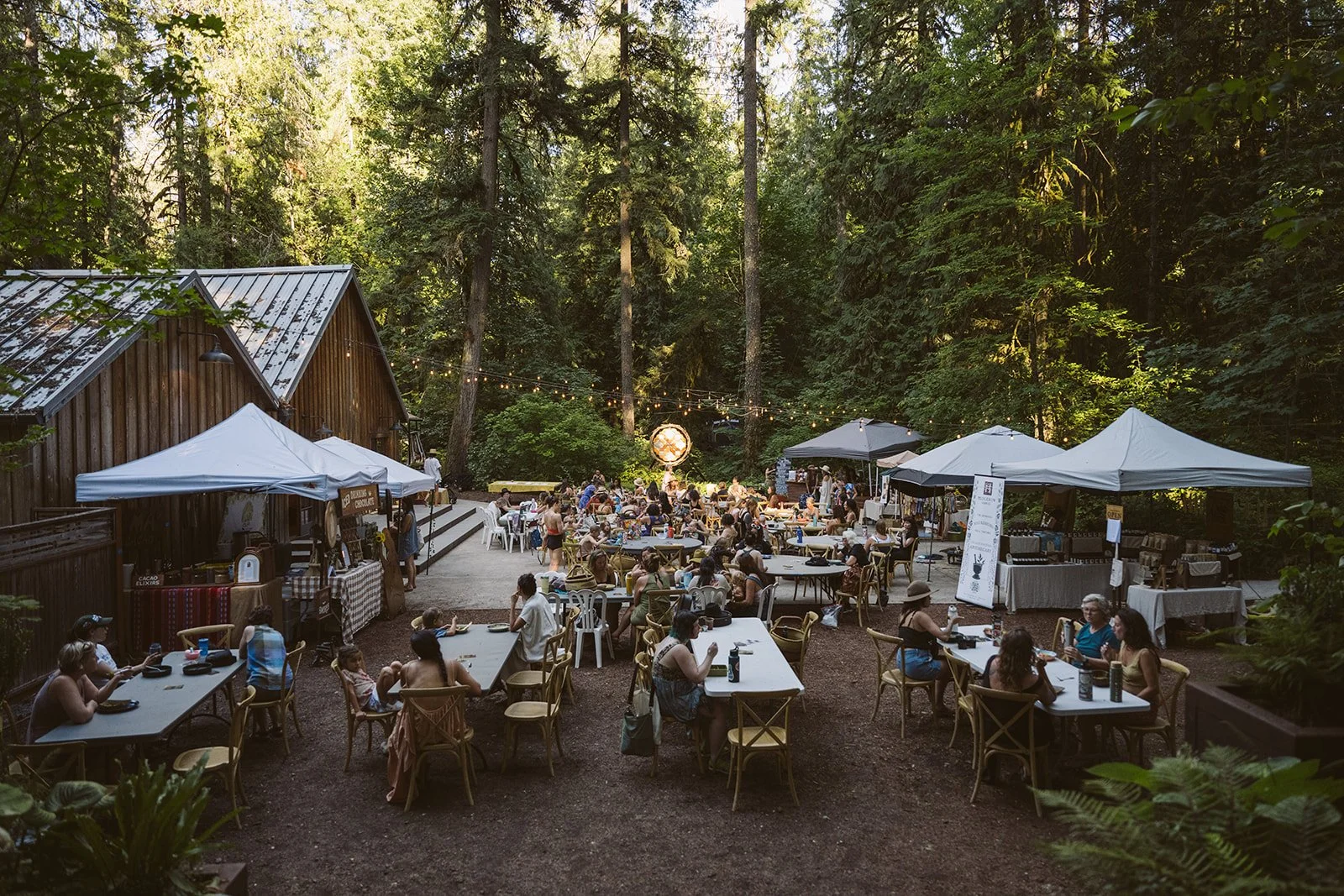
TEMPLE OF BELONGING
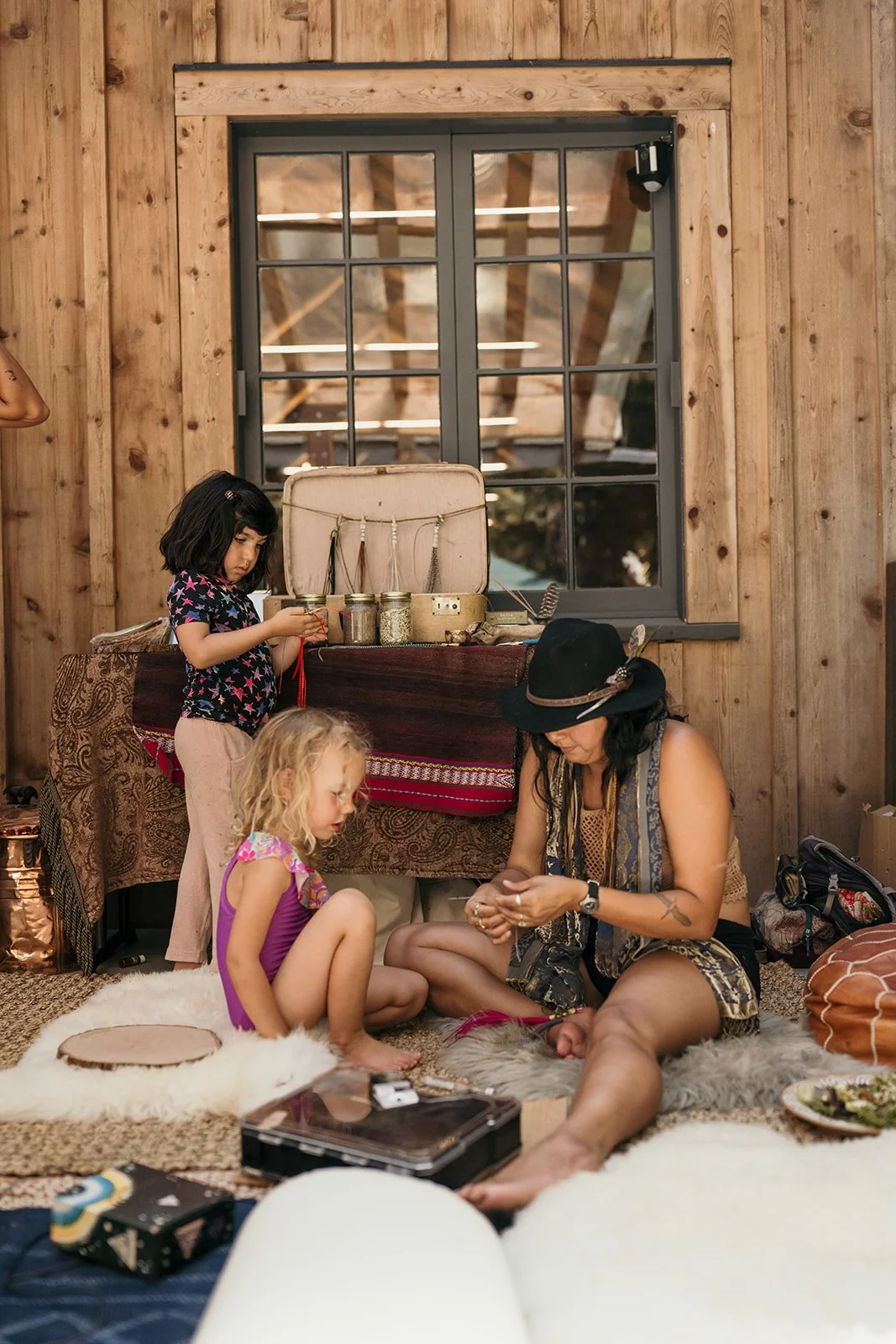
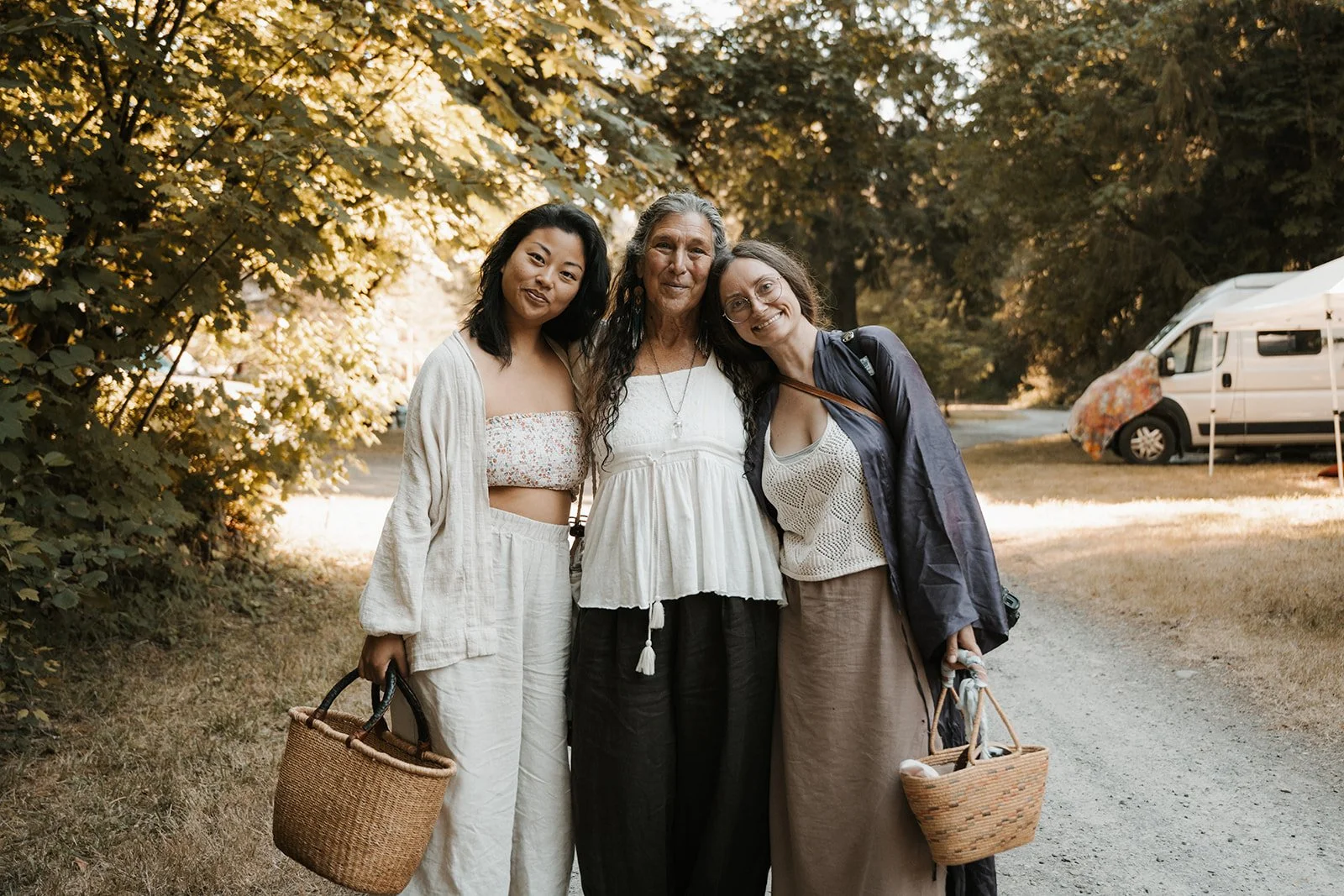
A women’s living, place-based village model in Cascadia, USA that integrates food systems, cultural practice, education, childcare, and local exchange into a thriving ecosystem. Learn more here.
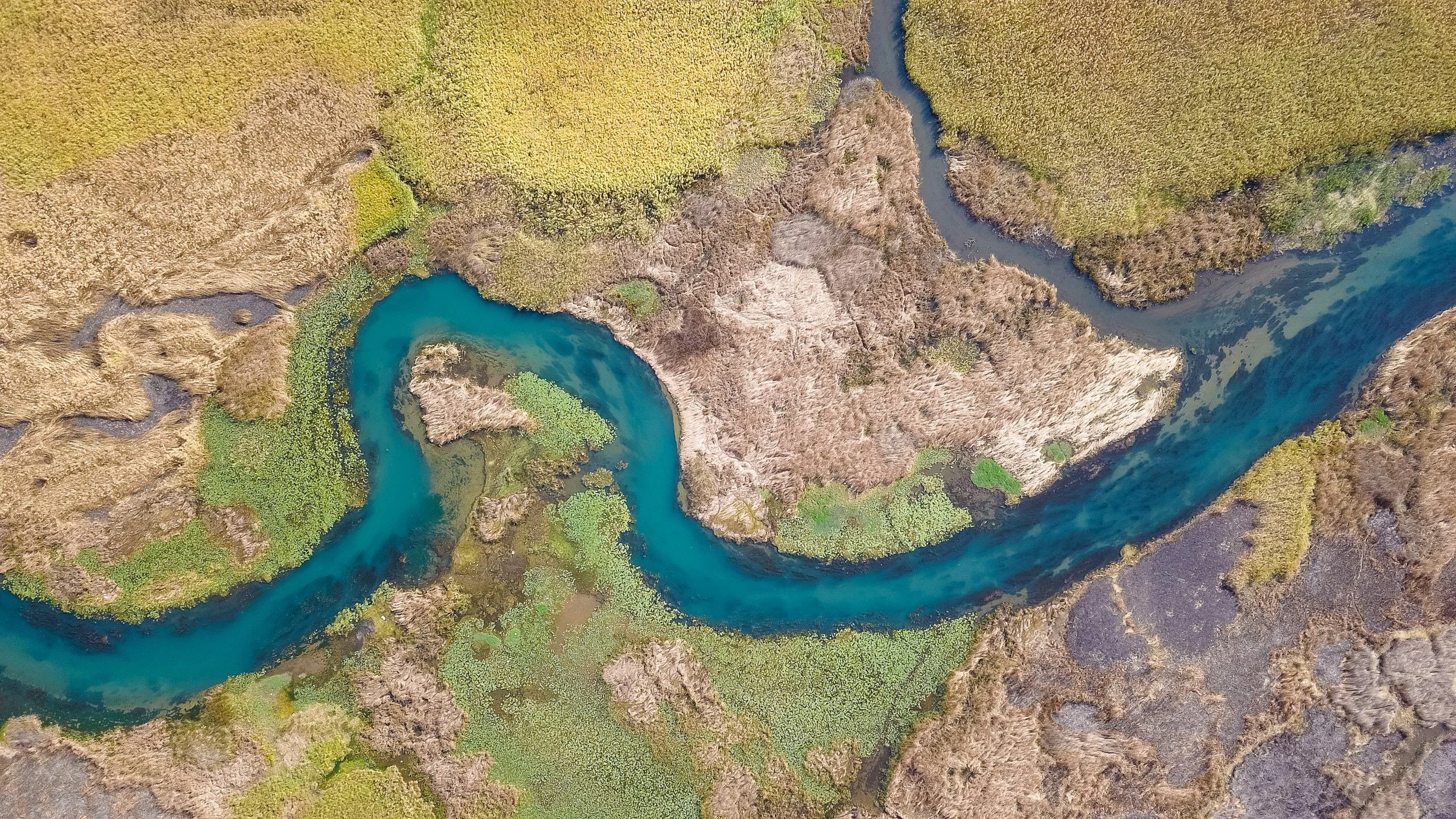
THE LIVING NODES PROJECT
A global network of bioregional communities with programming rooted in watershed identity, cultural heritage, and localized economies, creating an interconnected system of place-based belonging across the world. Learn more here.

Our Mission
Belonging-Based Education
Creating true, anti-fragile belonging within communities that is embedded within cultural coherence and win-win models of social organizing.
Bioregional Inquiry
Creating & coordinating bioregional nodal frameworks as sustainable models for localizing community wellbeing & regenerative, life-affirming governance models.
Global Impact
Bioregional belonging is a rite and privilege of all cultures, and creating replicable models is a pathway to support cooperative community sustainability anywhere.
Events & Research
Ongoing exploration of Belonging from Indigenous cosmologies & Original Cultures to understand the diversity of impact, implementation, and served communities.

Our Foundation
Cultural Inclusivity & Adaptation
Life-Affirming Infrastructure
Bio-Diverse Leadership
Futuristic, Hopeful, Generous
LEARN MORE ABOUT OUR PROGRAMS


Temple of Belonging
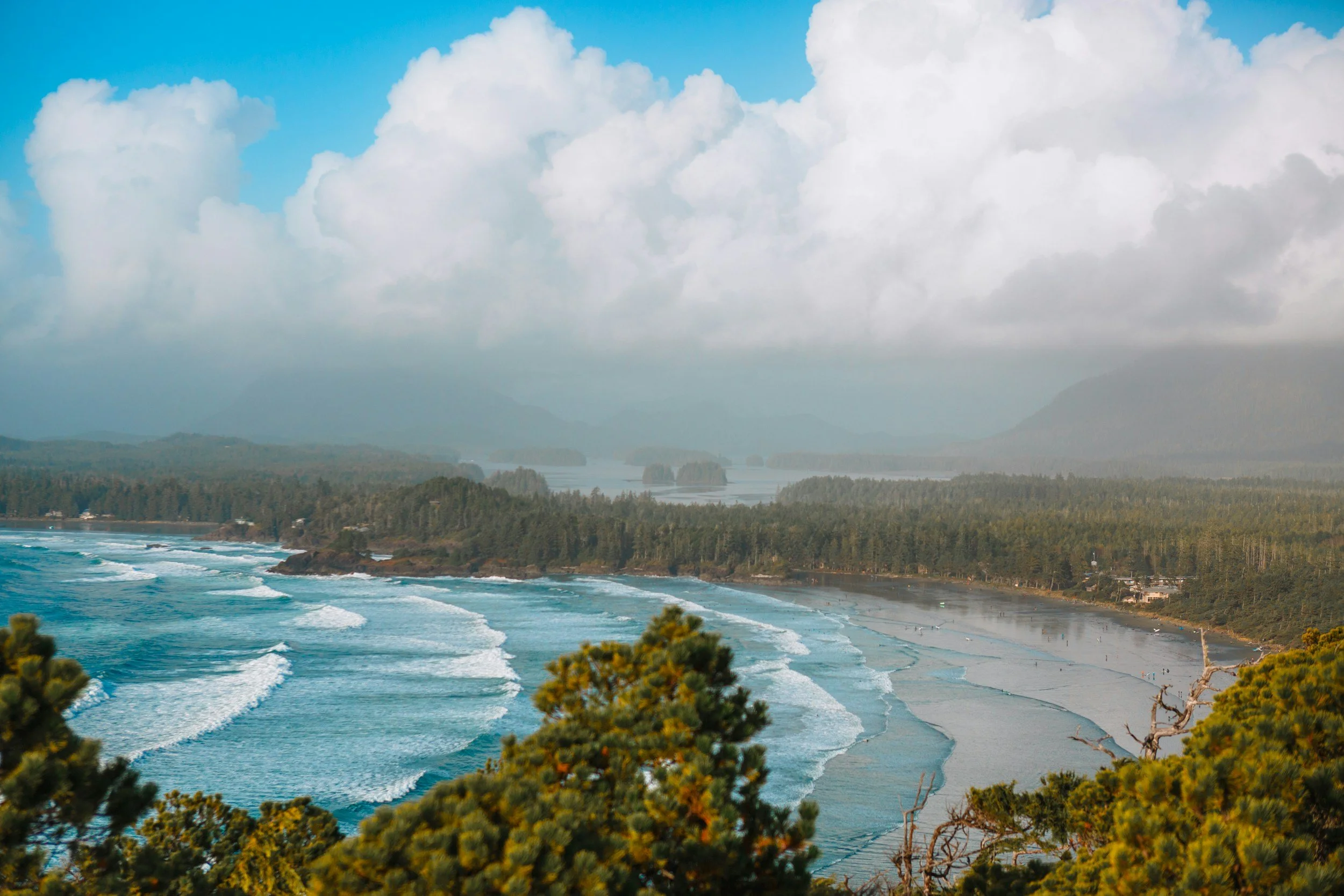
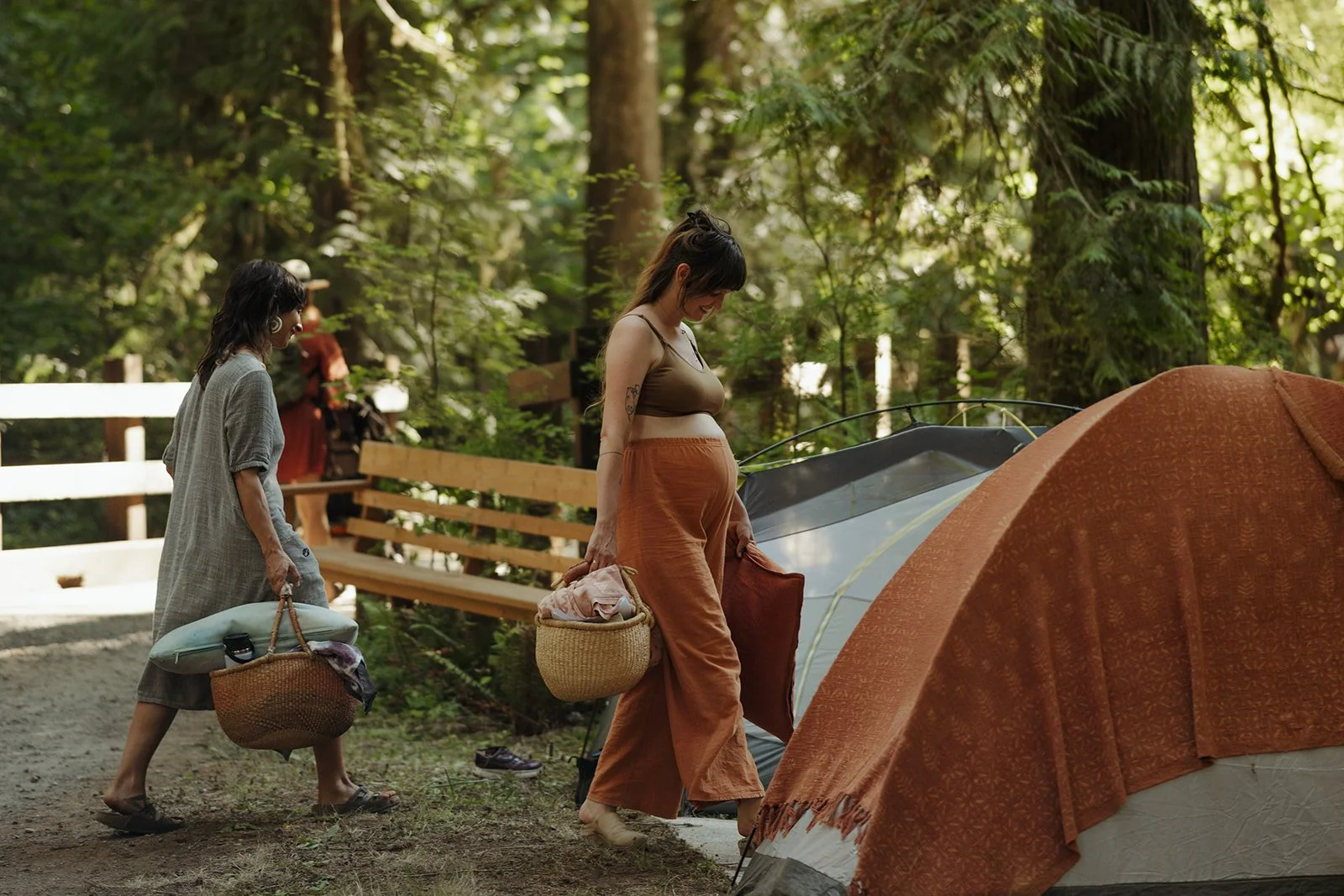
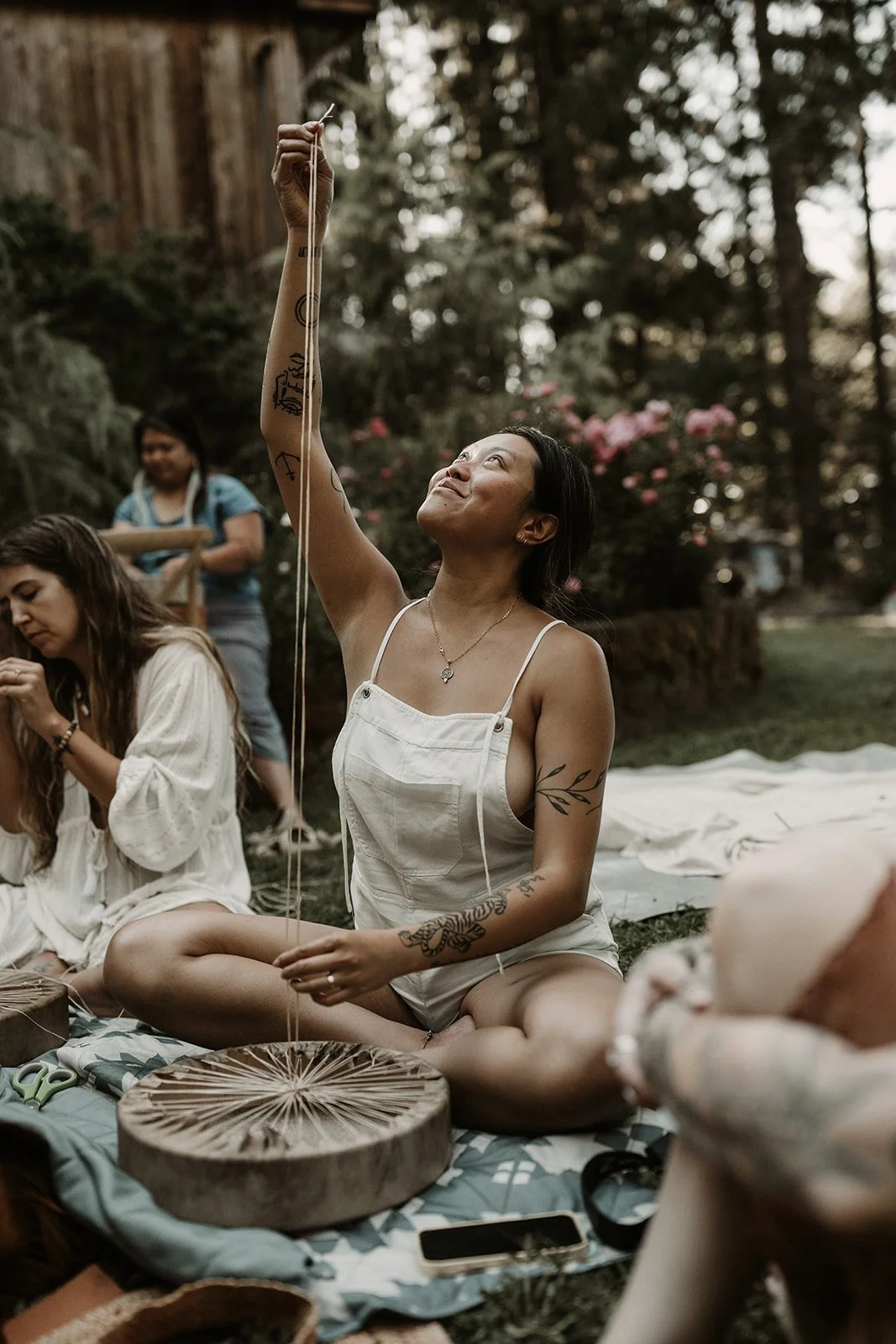
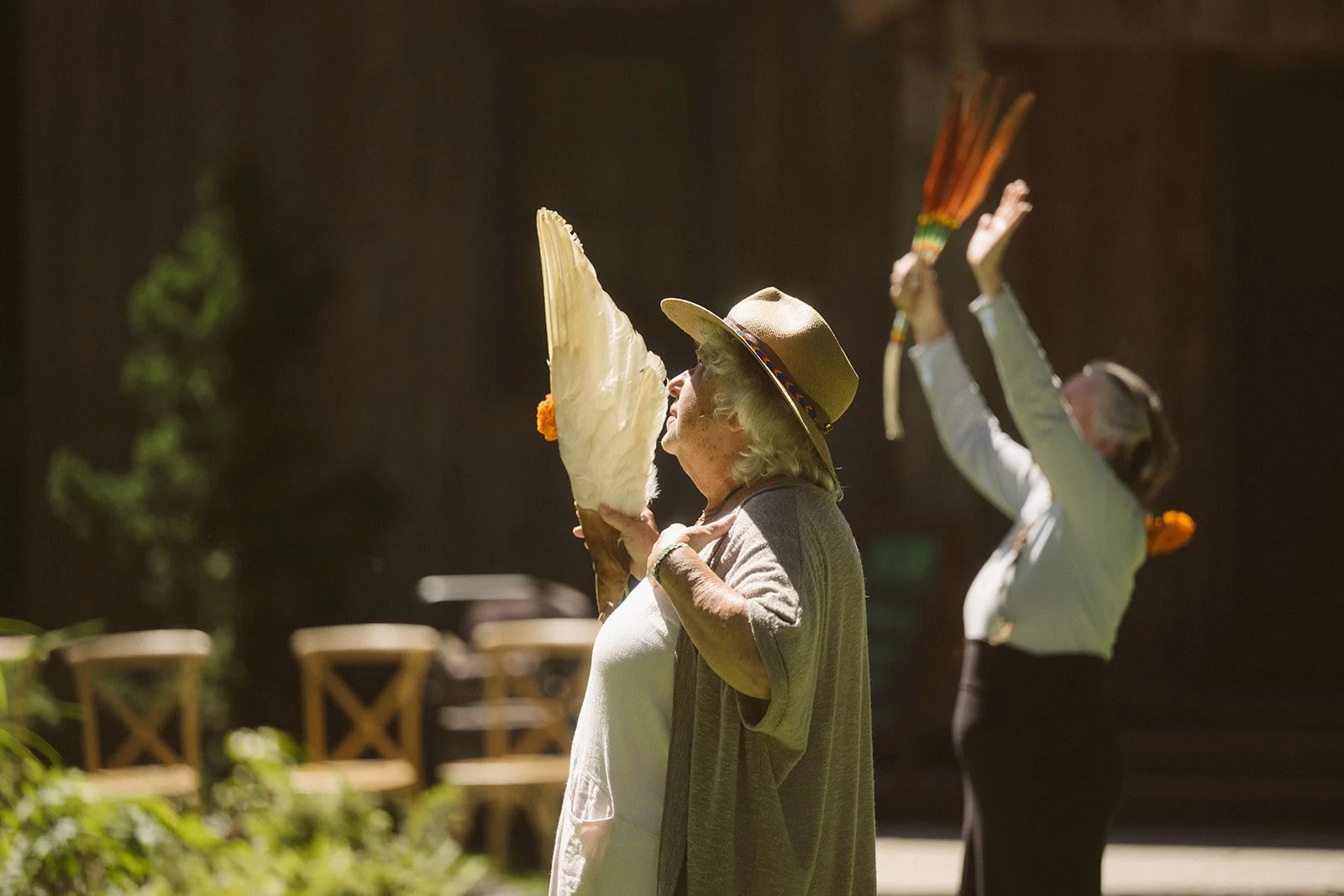
Temple of Belonging is an annual bioregional gathering and living village model based in Cascadia, developed over the past 5 years as a real-world expression of place-based connection and re-villiaging.
In 5 days with just over 350 women, we integrate food systems, cultural practice, education, childcare, and local exchange into a cohesive, functioning ecosystem rooted in land and community. More than an event, it operates as a prototype for belonging as social infrastructure, where participants actively co-create systems of care, participation, and shared meaning.
Through this model, Temple demonstrates how localized, relational environments can restore coherence, resilience, and a deeper sense of interconnectedness.

The Living Nodes Project
A global network of bioregional community projects
rooted in watershed identity, cultural heritage & local economy.
Scotland
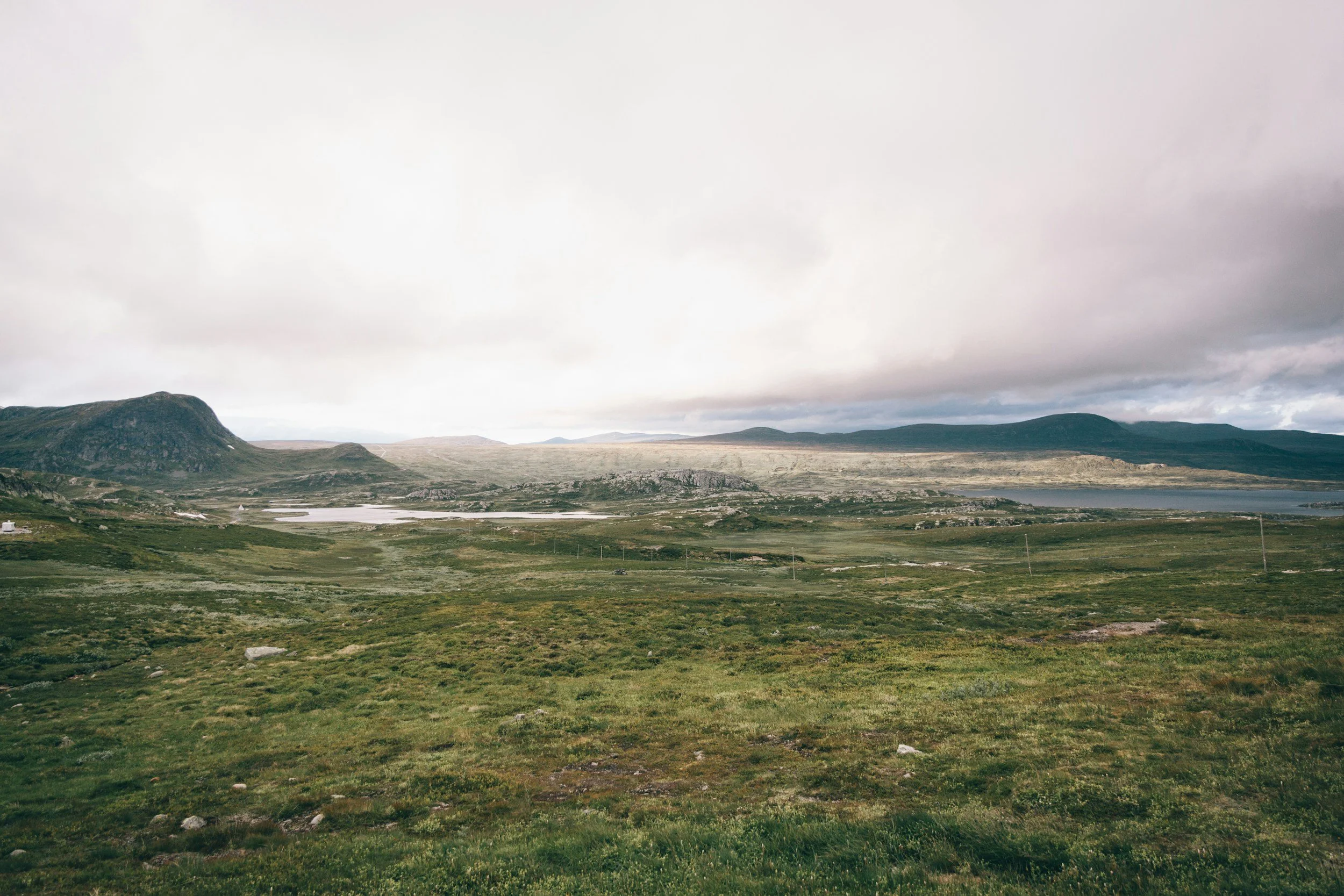
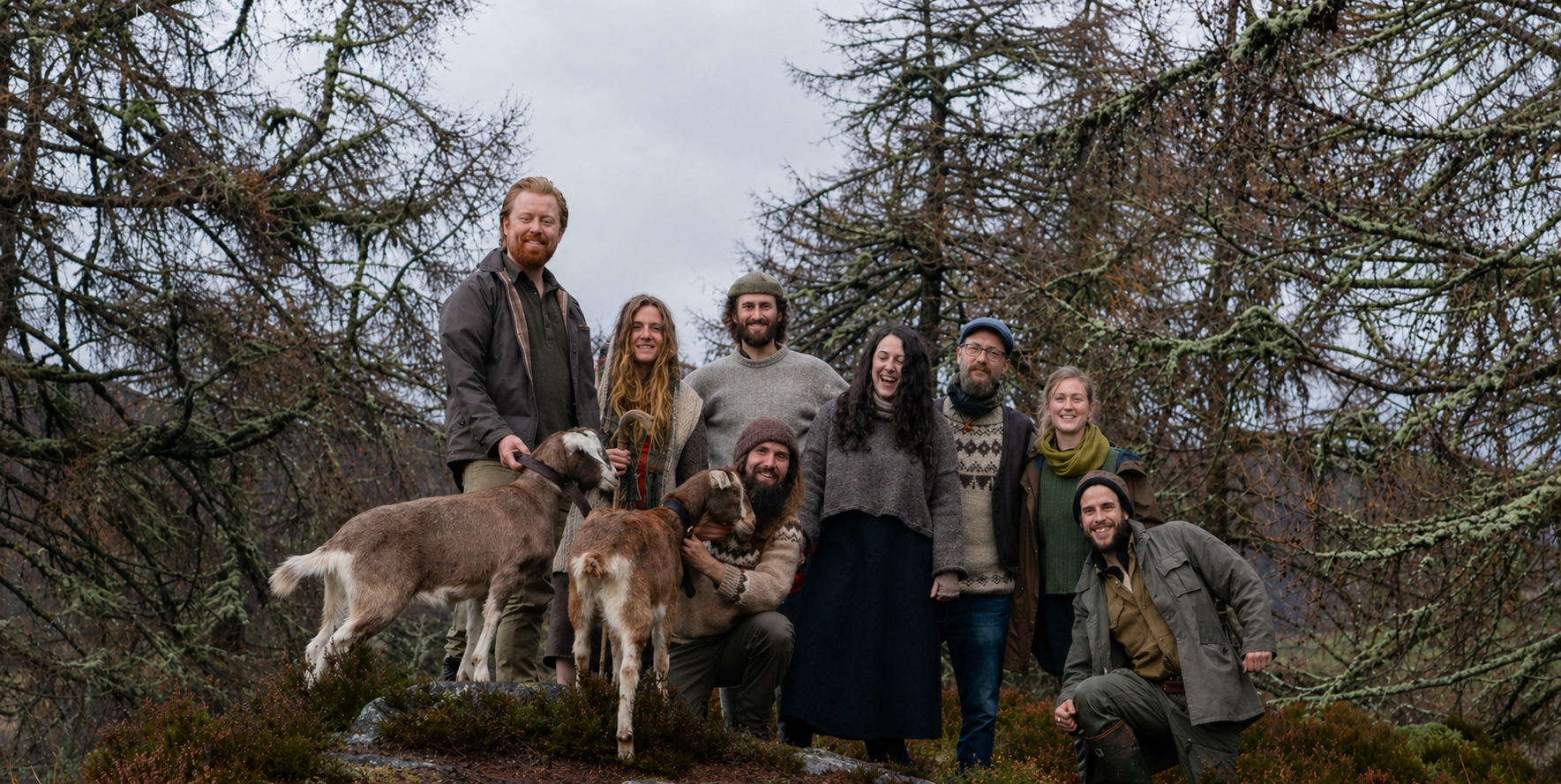
Our first Living Node is forming in partnership with the Sheiling Collective in the Scottish Highlands, marking our first international expansion. Rooted in Gaelic cultural memory and land stewardship, this collaboration will activate place-based practices that reconnect community, ecology, and heritage within the Highland bioregion. Learn more about the Shieling Collective here.
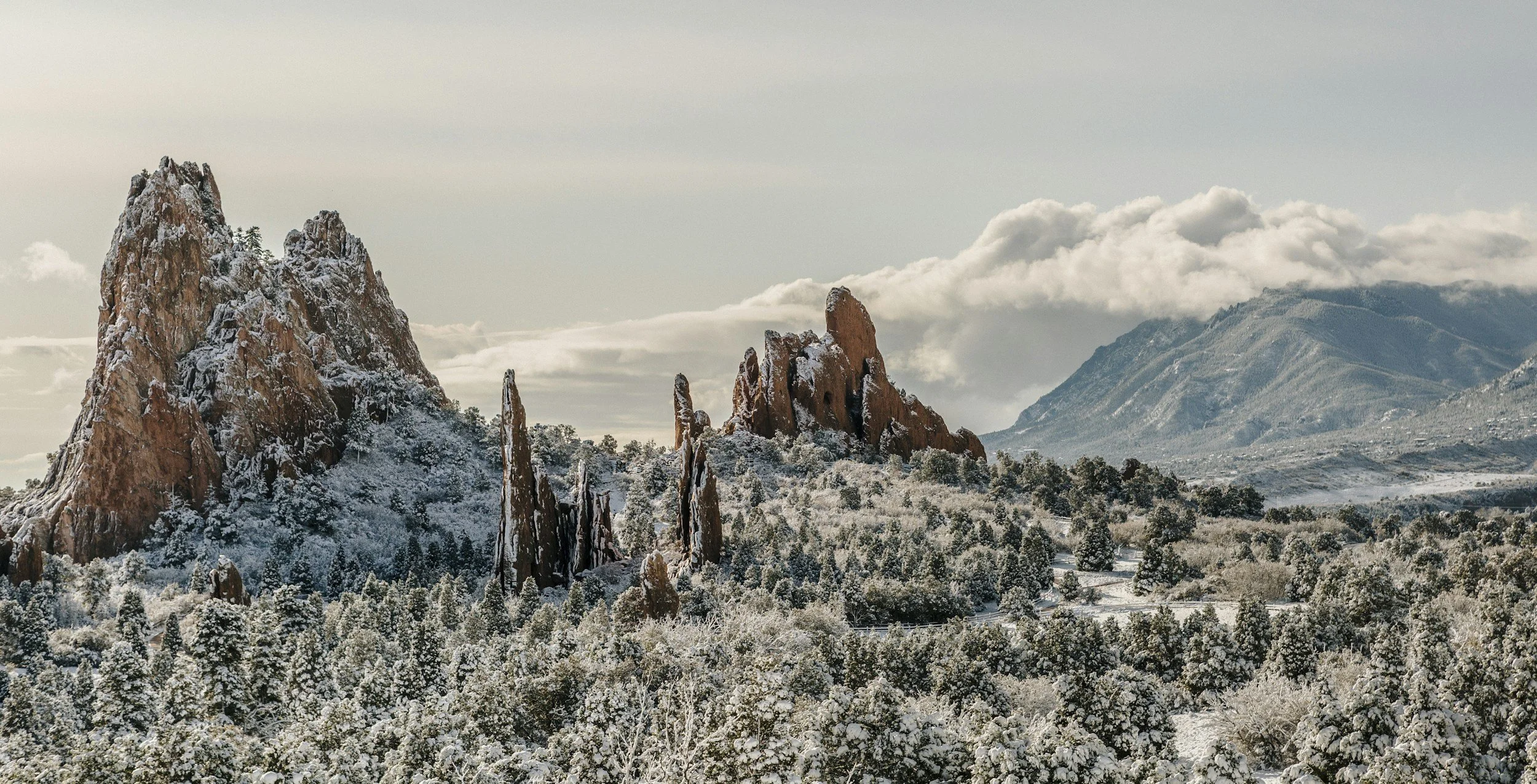
Colorado
Our Living Node in Boulder, Colorado is emerging within the Front Range bioregion, direct engagement with Indigenous communities of the Rocky Mountains and St. Vrain watershed., through Spirit of the Front Range. This node brings together local practitioners, educators, and community members to activate place-based systems that support connection to land, regenerative practices, and shared learning.